
Calendar
Marriage Muhurta 2026: How to Check Dates, Location and Limits
A wedding calendar is a starting point, not a universal personal election. Understand which inputs a responsible 2026 timing discussion needs.
4 min read · Read guide →22 guides from the getVEDANGA editorial desk. Learn the calculation, understand the tradition, and keep the limits in view. Articles are in English.
A wedding calendar is a starting point, not a universal personal election. Understand which inputs a responsible 2026 timing discussion needs.
4 min read · Read guide →
Begin with the settings, then learn five useful anchors. Keep the astronomical observation separate from its traditional interpretation.
4 min read · Read guide →
Lakshmi Puja is on 8 November 2026 in the cited New Delhi calendar. Read the location-specific evening window and the five principal observances.
5 min read · Read guide →
A clear guide to the three Gana groups, directional scoring and the difference between traditional categories and real people.
5 min read · Read guide →
A missing clock time does not make every comparison impossible, but it changes what can be stated reliably. Start with the Moon’s possible range.
4 min read · Read guide →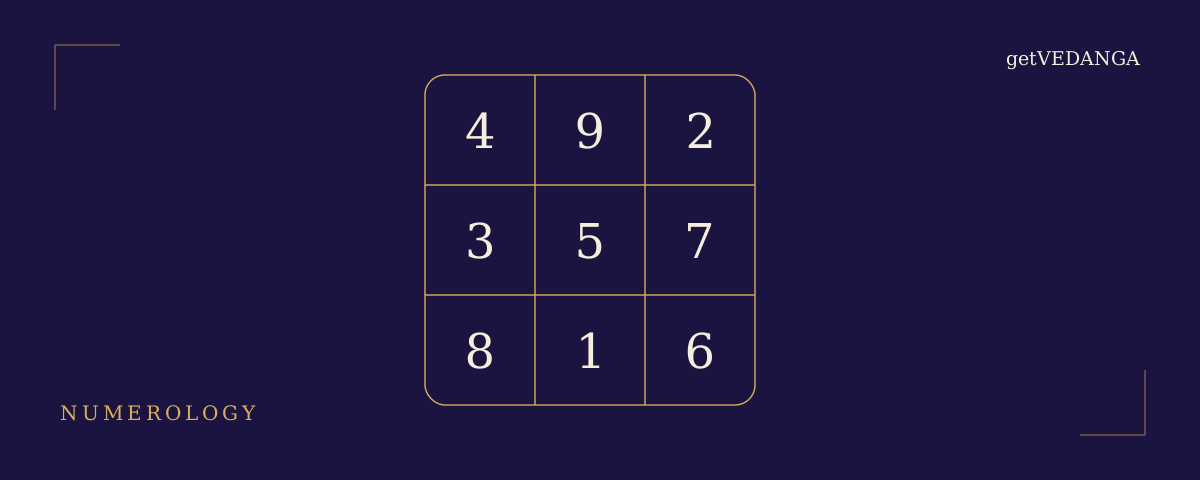
Follow the date arithmetic first, then explore the symbolic meanings. Life Path, birthday number and a name number are different calculations.
4 min read · Read guide →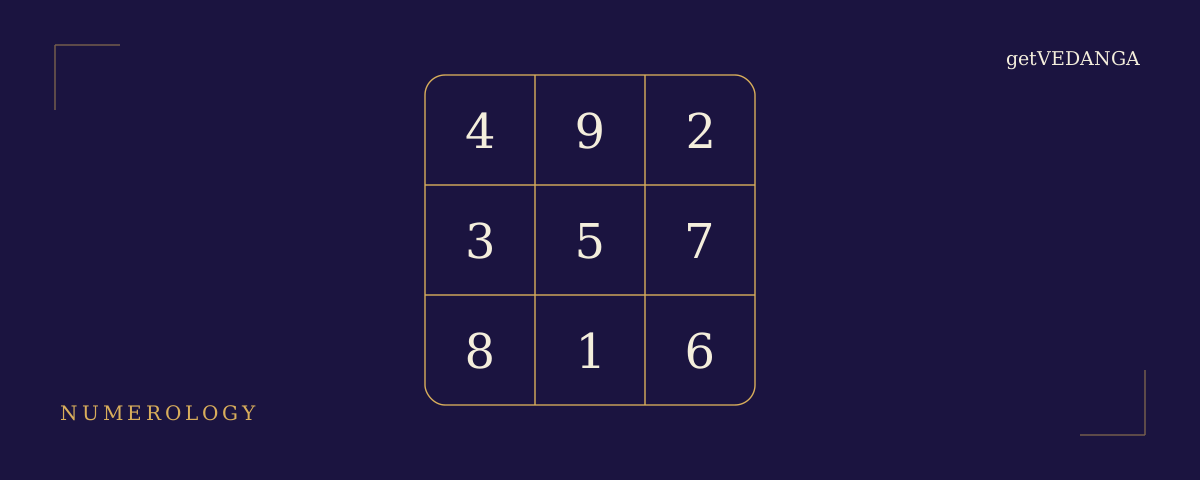
Build a date-digit grid step by step and learn what an empty cell actually means. It is not a diagnosis or a measure of someone’s potential.
4 min read · Read guide →
Check the Mars placement, the reference point and the selected exception rules before treating a Manglik label as a conclusion.
5 min read · Read guide →
Find Mercury’s calculated 2026 stations, understand apparent backwards motion and compare calendars using the same time-zone convention.
5 min read · Read guide →
Connect the visible Moon to the Hindu calendar while distinguishing a phase instant, a Tithi interval and a city’s sunrise label.
4 min read · Read guide →
Nadi is an eight-point traditional factor, not a medical result. Learn the grouping, the declared exceptions and the limits of the claim.
5 min read · Read guide →
The naming sound belongs to a Nakshatra’s Pada. Explore the 108 positions while leaving room for family preference and regional language.
4 min read · Read guide →
Separate the astronomy of lunar nodes from interpretive themes. Mean and true nodes can produce different 2026 sign-change dates.
5 min read · Read guide →
Understand the three-sign Sade Sati definition and why a general transit label does not establish what will happen to an individual.
5 min read · Read guide →
Distinguish voluntary cultural observance from practical habits and claims that need evidence. A thoughtful guide should not sell fear.
4 min read · Read guide →
Explore all 22 Major Arcana as an optional vocabulary for reflection. The names are symbols, not evidence of a future event.
5 min read · Read guide →
Give the three positions a clear purpose, ask a useful question and read the prompts without turning the spread into a prediction.
4 min read · Read guide →
Understand what the eight Ashtakoot factors calculate, why their maximum is 36, and why exception rules should be checked before reading a total.
4 min read · Read guide →
Learn the nine-lord sequence, the remaining balance at birth and the arithmetic behind Antardashas. A timeline needs a declared year convention.
4 min read · Read guide →
Moon sign, Nakshatra and Pada describe different divisions of one sidereal longitude. Here is how to read them without confusing the systems.
4 min read · Read guide →
A practical introduction to the five limbs of Panchang, the angles behind them and the reason a daily label needs a location.
4 min read · Read guide →
Meet the six supporting disciplines of Vedic study and understand the historical place of Jyotisha without treating a name as proof of authority.
4 min read · Read guide →